Reverse Engineering
Recovering CAD from paper drawings without redrawing them
Legacy spares usually exist as a print and nothing else. Here is how a scan becomes a parametric solid, and where the process goes wrong.
Aikyora · Jul 3, 2026 · 5 min read
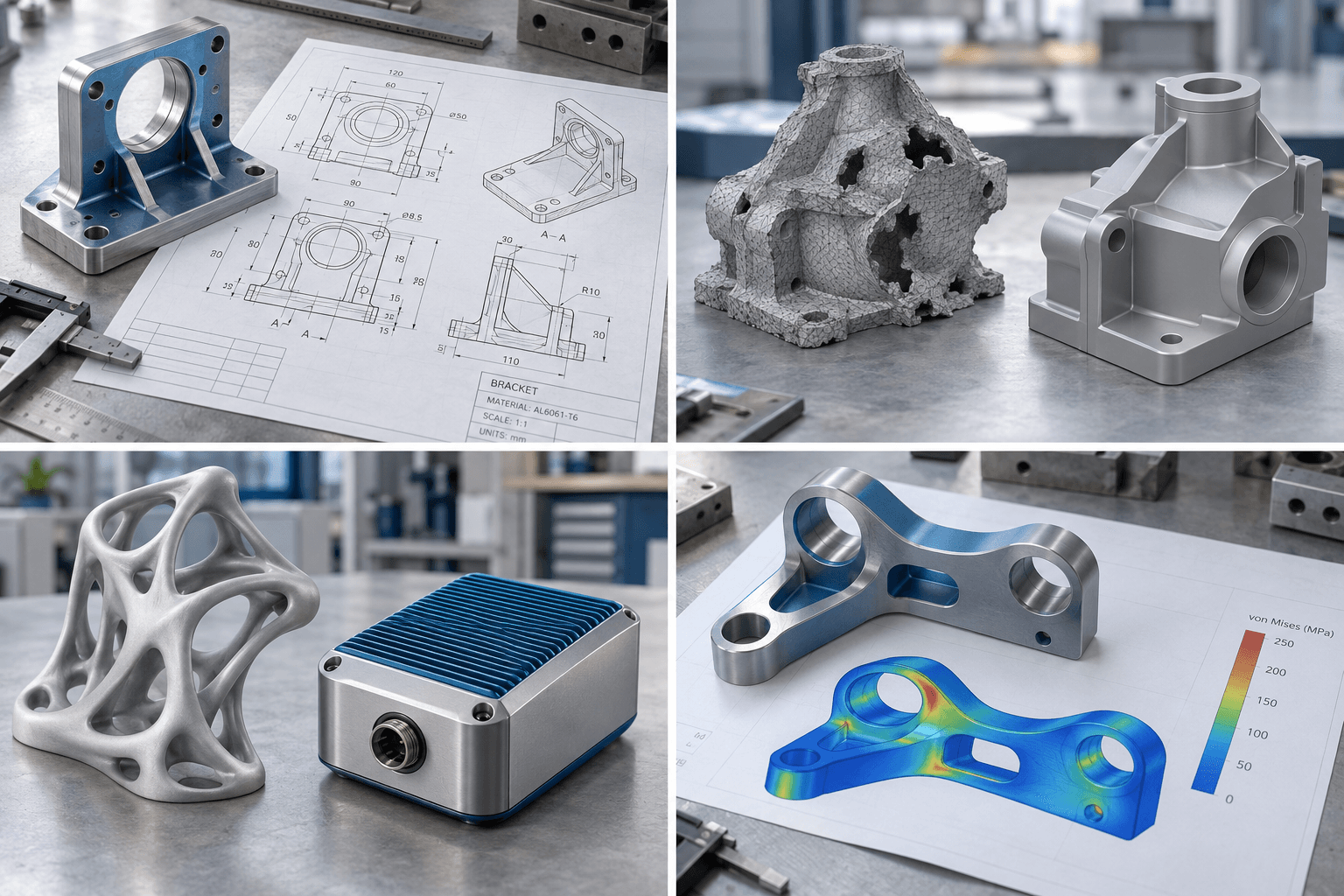
Every maintenance team has the same drawer: prints for parts that are still in service and have no CAD. Remaking the part means remaking the model, and the usual answer is to trace the print by hand into dumb geometry nobody can revise afterwards.
Read the file as it arrived
The most common way this goes wrong is also the easiest to avoid. Resizing, cropping or re-encoding a scan before reading it destroys the relationship between pixels and millimetres. Analyse the original file, and use the scale bar on the drawing when one is present.
Vectorise once, then rebuild
Vectorising converts the scan to scaled geometry. That is not the finish line. The useful output is a parametric rebuild, so the recovered part can be revised, fitted and re-issued like anything else in the library.
Re-issue the drawing from the new solid
Once the solid exists, the replacement drawing should be generated from it rather than cleaned up from the scan. Dimensions then come from the model and cannot drift from it.